Begin with the eaters, not the basket
A useful picnic starts with the people who will eat it. Check allergies, dietary needs, food textures and whether anyone needs help opening containers or using cutlery. Familiar food is often a better choice than a new recipe on an already unfamiliar day. Ask children to choose between two practical options rather than inviting a wish list you cannot safely transport.
Think about how lunch will actually happen. A toddler may need a supported seat and close supervision; an older relative may need a bench with back support. Someone using a wheelchair may prefer an accessible table rather than a blanket on the ground. Confirm the layout of your chosen place instead of assuming every picnic area works for every body. If the seating cannot be checked, keep the meal easy to relocate.
Make the menu simple to handle
Build around a manageable main item, a fruit or vegetable option and enough drinking water for the people and conditions. Sandwiches, wraps and simple grain dishes can all work, but ingredients determine whether they need refrigeration. Follow storage instructions rather than judging safety by whether a food looks picnic-friendly. Pack components separately if that makes allergies, preferences or serving easier to manage.
Foods for young children need age-appropriate preparation. Hard, round or difficult-to-chew foods can be choking hazards; use established health guidance and supervise eating while children are seated. Avoid sharing utensils between foods when allergens are a concern. Labels on containers can help the group keep track, but they are not a substitute for checking ingredients and preventing cross-contact during preparation.
Protect chilled food throughout the journey
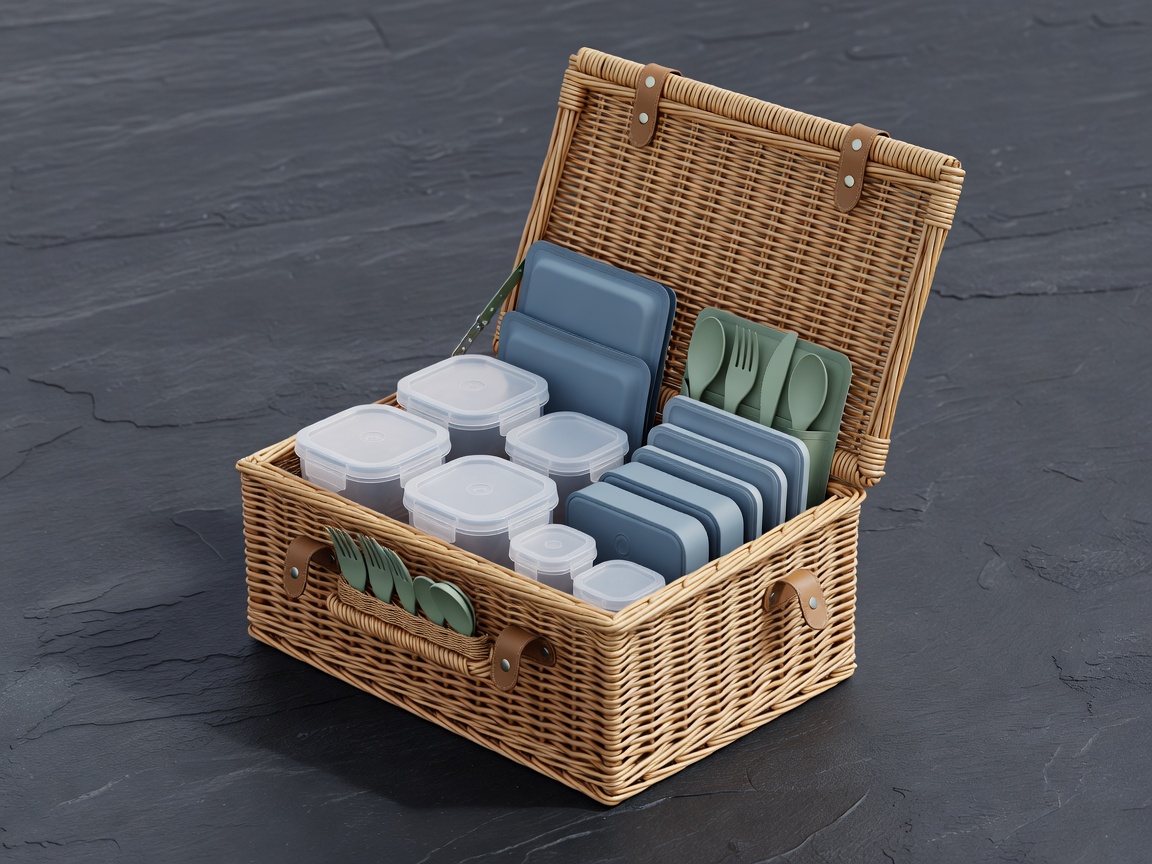
Cold storage is a plan, not a decorative cool bag. Chill perishable food before departure, use suitable ice packs and keep the bag closed as much as possible. Place it out of direct sun when you stop. A long journey followed by hours of play can make food management harder; eat earlier or choose suitable shelf-stable items if you cannot maintain safe temperatures.
The US Department of Agriculture advises keeping cold food at 40°F (4°C) or below. It also gives a general limit of two hours for perishable food outside safe temperature control, reduced to one hour when the temperature is above 90°F (32°C). These are limits, not targets for leaving lunch out. Local guidance may differ in presentation; consult the food-safety authority where you live and follow the food’s storage instructions.
Use a thermometer if you need to confirm that a cooler is keeping food cold. Keep raw foods away from ready-to-eat items; for a simple family picnic, preparing food safely at home avoids adding outdoor cooking complexity. You cannot reliably tell whether food is safe by smelling or tasting it. When safe storage has been lost, do not save questionable leftovers for later.