Fieldkit / Small games, shared space
Outdoor play with simple props
Start with a sound, a shape or one soft ball. Keep the rules short and give everyone a comfortable way to join.
Choose a game
Make the space part of the rules
Before choosing a game, look at the space. Are there roads, water, cyclists, dogs, steep edges or people enjoying quiet time nearby? Establish a small play area with boundaries everyone can recognise. Do not use a distant tree as a boundary if younger children cannot judge where it is, and do not assume a hedge safely separates the group from a hazard.
Agree on a stop signal and keep adult supervision suited to the children and setting. Explain where the equipment may go and what to do if a ball leaves the safe area. An adult should retrieve it when needed; nobody should chase into traffic, water or restricted ground. If the location is not suitable for active play, change to observation rather than trying to make it work.
Give the same game several entry points
Mixed ages do not need identical tasks. In a colour-spotting game, a younger child might identify something green while an older child describes three different shades. Someone with limited mobility can lead the prompts from a bench. A person who prefers less noise can take part by pointing or writing rather than calling answers across the group.
Ask what adaptation would help instead of assuming ability from appearance. Roll rather than throw, shorten distances, use larger targets or let a player choose the pace. People with visual or hearing impairments may need different cues, and a sound-based activity will not suit everyone. Offer a visual or tactile alternative using your own safe equipment; do not require touching unfamiliar plants.
Observe without collecting
A nature hunt works well when the goal is to notice rather than take. Ask the group to find a curved line, a moving shadow, a leaf shape or evidence of a bird from a respectful distance. People can point, describe or sketch what they see. Leave plants, feathers, stones and other objects where they are, especially in protected places where collecting may be prohibited.
Do not taste wild plants or mushrooms, disturb nests or turn wildlife into a game target. Binoculars can help you see without moving closer, but never look at the sun through them. The RSPB provides a useful starting point for bird identification, while the Woodland Trust shares tree-identification resources. Treat an uncertain identification as a question to explore later, not permission to handle or eat something.
Three prompts / Change them to fit
Try one thing, then see how it feels

The noticing round
Take turns naming something with a chosen shape or colour. No picking and no racing. Add a describing challenge for older players or use pointing for a quieter version.
Roll and reset
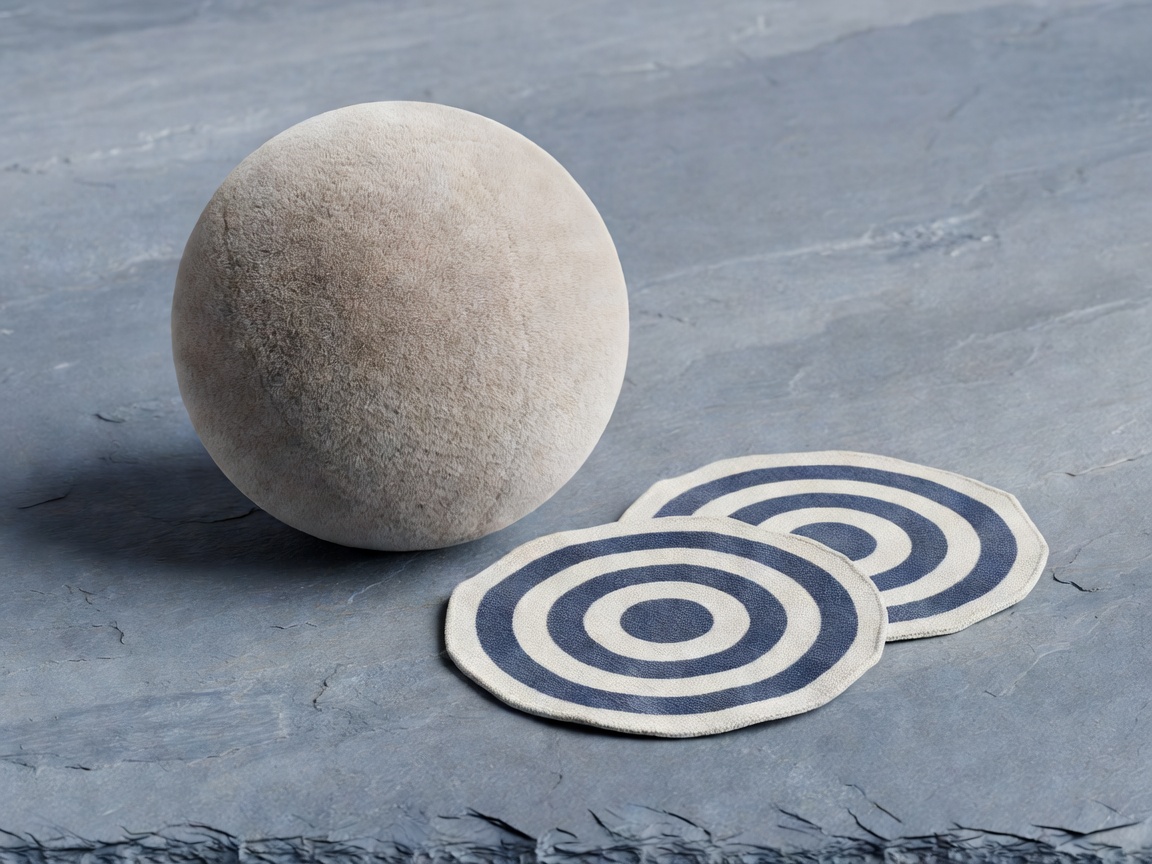
Roll a soft ball towards a nearby target made from your own bag or cloth. Change the distance together. Keep the target and every player well away from paths and hazards.

A one-minute sound map
Pause in a safe spot and notice sounds. Describe or draw where they came from. Use a visual movement map instead if listening is not a useful or comfortable option.
Use familiar traditions without making them rigid
I Spy is useful because it needs no equipment and can be played while sitting. Choose clues that everyone can perceive; a colour clue is not suitable for every player. Simon Says can be adapted to small seated movements, provided players are comfortable with those movements. Avoid elimination rules if they leave younger or less mobile participants watching for most of the game.
A gentle version of follow-the-leader can work along a checked path, using noticing prompts rather than physical challenges. The leader might ask everyone to pause beside a particular tree or look for a cloud shape. Keep the group together and do not turn the activity into climbing, running near edges or leaving the route. The point is shared attention, not proving bravery.
Bring less, supervise more
A soft ball, a few age-appropriate beanbags and a notebook are plenty for many outings. Check that equipment has no loose small parts and is suitable for the children using it. Chalk is only an option where marking surfaces is permitted; never draw on heritage features, trees or natural rock. Avoid string games that create trip hazards across public paths.
Leave room for unstructured time too. A child watching ants from the path may not need another organised activity. An adult may be enjoying a quiet conversation. Stop a game when interest fades, rather than trying to squeeze value out of the equipment. Changing pace is part of a good day, and sitting together still counts as being outdoors.
End with the place unchanged
Count the props back into the bag, remove any temporary markers and check the ground for dropped items. Let children share one thing they noticed, without making the conversation a test. The Leave No Trace Center for Outdoor Ethics is a useful reference for reducing impact outdoors; local site rules always matter too. A game has worked when the group enjoyed it and the next visitors inherit the same space.